

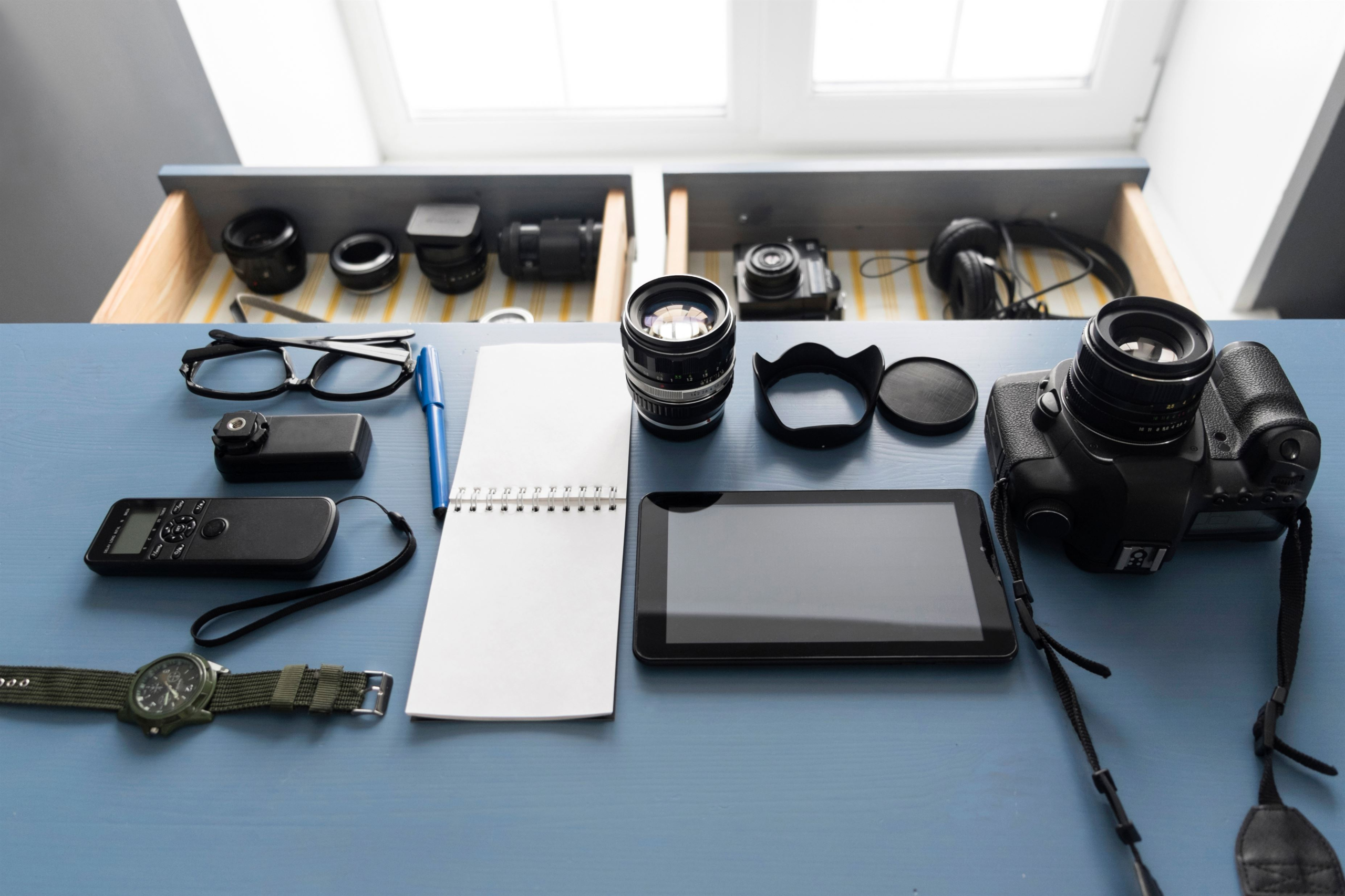
There’s this funny thing about being a photographer with ADHD: the part of my brain that makes it hard to remember where I put my keys is the same part that makes me hyper-focus on a single barrel turn for hours.
Living with ADHD means my life is a mix of brilliance and chaos. On one hand, I can spend an entire weekend editing photos, completely losing track of time because I’m so immersed in the details. On the other, I can also forget to eat, ignore my inbox, and leave half-finished laundry in the machine until it smells like regret.
Behind the lens, ADHD shows up in strange ways. Sometimes it’s my secret weapon. I notice the tiny details—the horse’s ear flick, the dust kicking up at just the right angle, the moment of raw emotion between rider and animal—that others might miss. My brain is wired to scan for sparks, and when I’m in flow, it feels like magic.
But then there are the days when ADHD isn’t romantic. It’s missed deadlines. It’s overwhelm when galleries pile up. It’s sitting in front of my computer, paralyzed by the sheer number of images to cull, and suddenly deciding it’s a great time to reorganize my spice cupboard instead.
I used to beat myself up for that. But over time, I’ve realized ADHD doesn’t make me a bad photographer—it makes me a different kind of photographer.
My creativity isn’t linear. My workdays aren’t tidy. My processes don’t fit into a neat little box. But my images? They tell stories. They capture moments. They show heart.
And at the end of the day, isn’t that what photography is supposed to do?So if you’re another creative with ADHD—know this: your brain isn’t broken. It’s just wired to see the world differently. And that difference might be your greatest gift.
Here are 5 ways I balance my ADHD brain with my photography life:
1. Harness Hyperfocus 📸
When the energy hits, I use it. I’ll block out a big chunk of time to edit or shoot when I’m in the zone, instead of trying to force productivity when it’s just not happening.
2. Break Down Editing into Small Wins
Instead of “I need to edit 1,200 photos,” I tell myself, “Cull 100.” ADHD brains thrive on progress, so I gamify it.
3. Use Timers
The Pomodoro method (25 minutes on, 5 minutes off) helps me keep from burning out during long editing marathons.
4. Build External Systems
Checklists for gear, color-coded folders for photos, auto-reminders for deadlines—these are lifesavers. Relying on memory alone? Not an option.
5. Give Myself Grace
Some days, ADHD wins. I’ll procrastinate, get distracted, or hyper-focus on the wrong thing. Instead of spiraling, I remind myself it’s part of the process—and tomorrow is another shot.